

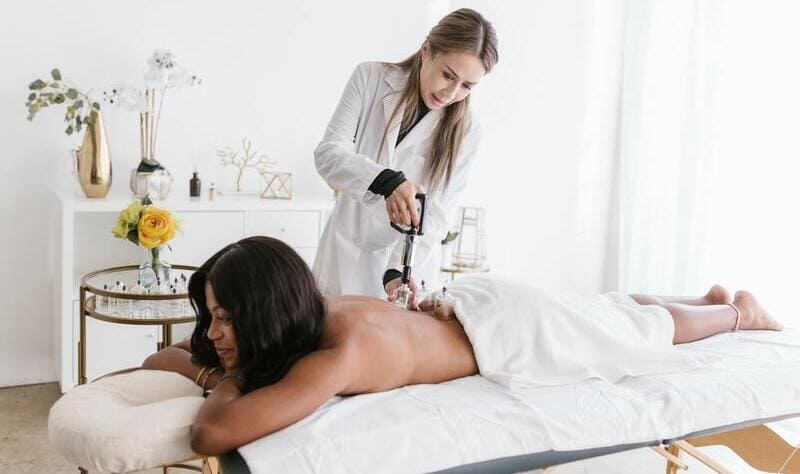
Physiotherapy is a therapeutic alternative whose main purpose is to relieve pain in patients, as well as to mitigate the effects of chronic conditions they may have developed, whether by chance or due to genetic reasons.

Creating a physiotherapy clinic from scratch is not an easy task; first, a large initial investment in physiotherapy materials and equipment is necessary. It is also important to invest in consultation materials beyond technical aspects (adequate facilities, treatment tables, furniture, etc.).
Materials you will need to start a consultation
The initial investment when setting up a physiotherapy clinic is very high. Once you have made this expenditure, the rest of the costs are based on maintaining the necessary materials.
The essential equipment that any physiotherapy consultation should have includes at least a stethoscope, a blood pressure monitor, a reflex hammer, rolls of paper for treatment tables, and disinfectant gels. You will also need to furnish the consultation room with basic furniture.
Medical equipment
In a physiotherapy consultation, some basic medical instruments are used:
- Stethoscope: a medical tool that allows auscultation of patients to detect heart, lung, and other problems.
- Blood pressure monitor: a medical tool that measures blood pressure by gauging the force of blood flow.
- Reflex hammer: a medical tool that tests reflexes on muscles and nerves, allowing assessment of their reaction to a small tap.
Consumables
A physiotherapy clinic must be stocked with support and hygiene materials. The following items should not be missing: bandages, disinfectant gel, rolls of paper for treatment tables, gloves, and antiseptic soap.
Massage oils
In addition to these items, you should include those used during physiotherapy sessions that are not purely medical instruments, such as massage oils. These oils are used to relieve or eliminate muscle pain through application with a massage.
- Massage gels: applied by massage, they have anti-inflammatory and healing properties that help reduce or eliminate pain; most have a cooling or warming effect.
- Massage oils: our oil has a stimulating property that provides a soothing sensation when applied; many include fragrance, although it is recommended to use a neutral oil.
- Massage creams: these creams help perform prolonged massages; good massage creams are non-greasy and hydrate the skin while soothing it.
Furniture
The clinic’s equipment is essential. To ensure good service, you will need the following clinical furniture:
- Physiotherapy treatment tables: it is essential that the table you choose is firm and does not deform over time. You can choose a fixed or electric table. If you do home visits, a folding table will be perfect for easy handling.
- Massage cushion: the cushion allows the patient to be positioned perfectly throughout the session; it is essential that it ensures the spine is in a relaxed position.
- Infrared and examination lamp: lighting is crucial in a physiotherapy clinic; the light must be comfortable for the patient and allow the physiotherapist to make accurate diagnoses. The infrared lamp helps relieve pain from rheumatism and muscle stiffness.
- Stool: this is the most basic furniture for any physiotherapist; it allows them to conduct sessions without constantly bending over and can be moved comfortably around the room.
Materials for sports physiotherapy
Physiotherapy is also linked to the world of sports, known as sports physiotherapy. This technique focuses on injury prevention and recovery, as well as performing muscle recovery treatments.
Pressotherapy machine
The pressotherapy machine is one of the most common muscle recovery techniques. It is mainly used to stimulate muscles after intense physical training, helping to combat fatigue and prepare them for a new sports session. This machine is an active muscle recovery technique, meaning the athlete actively tries to recover after exercise and prepares for a new session.

Among the benefits of the pressotherapy machine are reduced risk of fatigue-related injuries, improved muscle performance, and even greater flexibility. All of this leads to enhanced sports performance.
Electrostimulators
This technique is widely used in physiotherapy within the sports field. It is based on inducing muscle contraction through a series of very low-power electrical stimuli. This allows stimulation of muscle contraction similar to sports training.
Ultrasound
The ultrasound machine is used in physiotherapy to treat muscle, joint, or tendon injuries. It is applied continuously for 6-10 minutes. Ultrasound releases localized heat in the affected area, which improves blood flow.
Conditions treated in sports physiotherapy
Sports physiotherapy is a very important branch of this medical technique. It allows detection or prevention of sports injuries and supports the creation of physiotherapeutic treatments for recovery. We can distinguish the following types of injuries treated by sports physiotherapy:
- Joint injuries: various types and severities of sprains, patellar chondropathy, capsulitis or bursitis, among other conditions.
- Bone injuries: all types of injuries causing bone damage, from sprains or dislocations to fractures or tears of varying severity.
- Muscle injuries: muscle contractures, overloads from continuous sports or heavy lifting, muscle fiber tears, tendinitis, painful shoulder, plantar fasciitis, or epicondylitis, among other conditions.
- Ligament injuries: ligament injuries are similar to joint injuries, although, as the name indicates, these occur in ligaments (which connect bones, preventing displacement and allowing joints to move freely).
- Tendon injuries: tendon injuries are very similar to muscle injuries, although tendinitis (inflammation or irritation of a tendon at its junction between muscle and bone causing pain throughout the joint) is especially common.
Share:
How to Remove Hip Fat?
Runner's Syndrome: What It Is and How to Cure It