
In the sports world, there is a term known as “muscle recovery” that is not always carried out; this is known as a recovery phase in which the body can reset the performance level of its muscles. This muscle recovery fights against body fatigue after intense sports or a training session.

Following a muscle recovery method in your professional training (it can also be done with notable benefits in lower-level training) will help reduce the likelihood of injury. Keep reading if you want to know the best tips to recover muscles after training.
Types of muscle recovery
There are two types of muscle recovery: passive recovery and active recovery. In passive recovery, the muscle mass regenerates on its own after exercising, while in active recovery, positive influence is applied to improve muscle performance and combat the well-known muscle fatigue.
Passive recovery
Passive muscle recovery lets the muscle mass regenerate gradually with a very simple method: limiting movement. Passive regeneration manages training load by trying to balance exercises to restore the desired physical capabilities, that is, it lets the body recover autonomously.
The passive muscle recovery method is recommended when there is an injury or discomfort.
Active recovery
Active recovery is responsible for stimulating the body during the rest phase, where the athlete tries to positively influence muscle regeneration. This type of recovery is most suitable when there is no pain or injury since it speeds up muscle recovery and allows maintaining optimal performance.
Those wondering how to recover from overtraining will need to do a deep exercise in applying active recovery methods.
Compression Therapy: muscle recovery technique
Compression Therapy is one of the most innovative physiotherapy treatment techniques in the field of sports recovery, this technique consists of applying localized pressure on the muscles to improve lymphatic drainage.
This muscle recovery technique promotes tissue oxygenation, improving elasticity over time and helping maintain optimal performance. Compression Therapy helps eliminate lactate from the blood faster, it is recommended to reduce muscle fatigue thanks to its ability to speed up muscle recovery, it also helps eliminate toxins and reduce fat.
Tips for quick muscle recovery
There is no universal method that works for all athletes when it comes to muscle recovery after training, you should try several and choose the one that best suits your type of exercise, so you can improve performance and physical condition. These are some of the most effective muscle recovery methods:
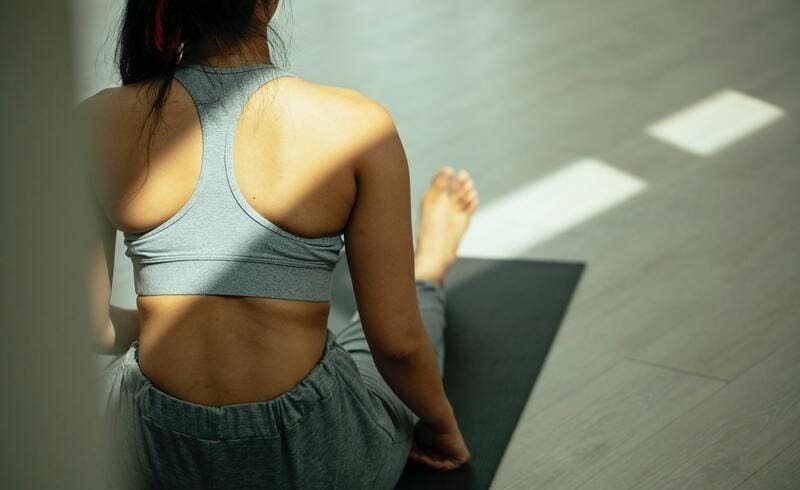
Stretches after exercise
It is the most popular type of muscle recovery, partly because of its effectiveness and ease of implementation, you only need to do short and easy stretches to improve muscle regeneration.
Among the benefits of doing these post-workout stretches is reducing muscle tightness and tension, which in the long run is perfect to prevent injuries, and in the short term has a relaxing effect that restores muscle health after intense physical exercise.
It is very important that these stretches are gentle so as not to overload the muscles even more.
KNEIPP Method (Cold and Hot Water Baths)
The KNEIPP method or the technique of cold and hot water baths is especially used by elite athletes, consisting of taking baths in cold water and then in hot water after training. The technique is simple, alternating cold and hot water post workout; cold water helps reduce muscle pain and hot water promotes blood circulation and relaxes the muscles.
You should start with cold water to relax the muscles after intense sport and finish with hot water; you can alternate between cold and hot water as many times as you consider necessary.
Nutrition
Nutrition is the key to maintaining optimal sports performance; good nutrition will help replenish the body's reserves, which will be prepared for new intense physical exercise. A good post-workout diet should combine complex carbohydrates and proteins; proteins will be the key for muscle regeneration as well as to promote muscle toning.
Taking care of nutrition does not have as noticeable effects on muscle relaxation as cold and hot water baths or stretching, but it provides the body with energy to recover after exercise.
Rest
Rest is a perfect way to activate muscle regeneration after intense physical exercise, the body needs to rest after training or physical exercise, and this is a passive way to do so that couldn't be simpler.
Rest is not only recommended to repair muscle tissues, overloaded after a day of intense exercise, but it also helps to repair the mind and body and prepare them for a new day of training. Following a good rest routine is essential to achieve the highest performance in the sport you practice; it increases the body's physical capacity, reflexes, and concentration ability.
It can be said that rest is the most effective method for muscle recovery and the one that requires the least effort from the athlete. Sports performance will be much lower if good rest habits are not followed.
Once you know the most effective muscle recovery methods, you just have to try those that best suit your needs and the type of sport you practice. You can combine several of these methods without ever neglecting nutrition and rest to promote muscle regeneration and ensure your health, not only physical but also mental.
Share:
2026 portable pressotherapy comparison: maximum pressure, chambers, and value for money