

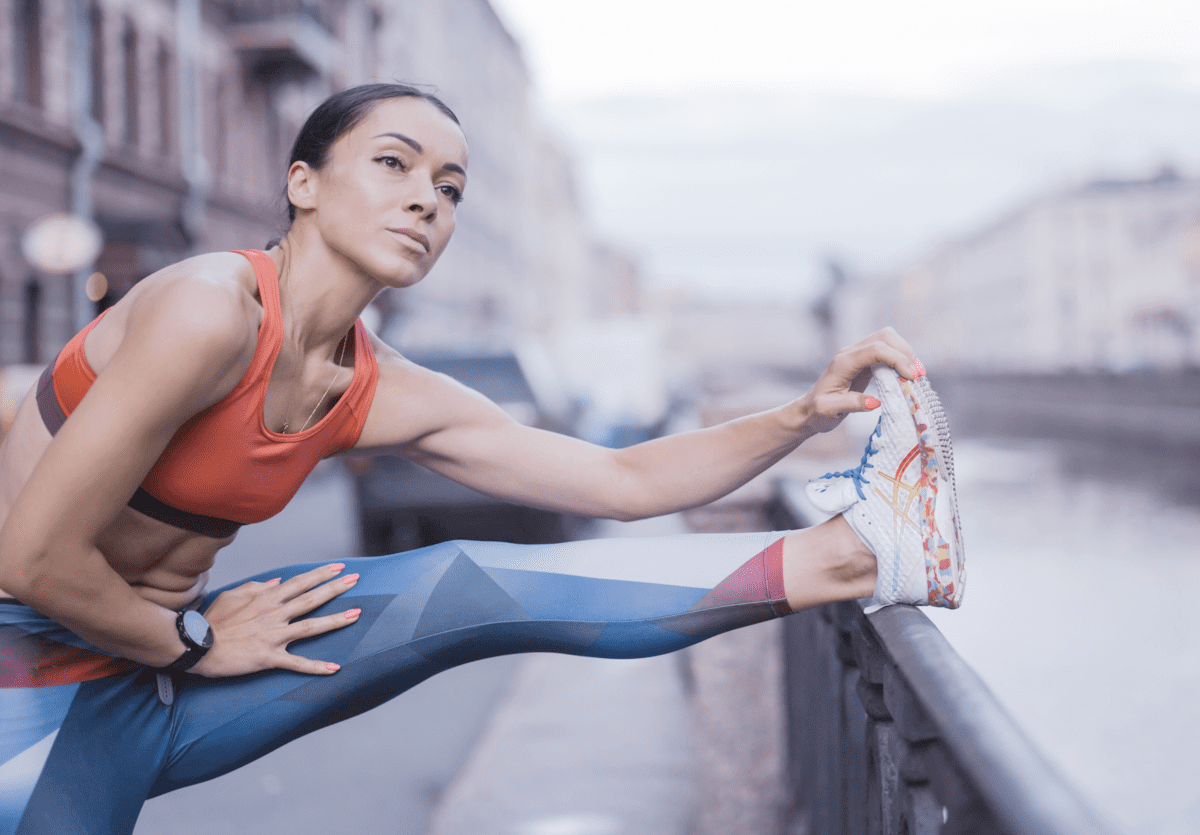
If you are a regular practitioner of a sport where the legs play an important role, it is likely that at some point you have experienced muscle overload. This happens when the muscles are subjected to excessive strain due to incorrect exercise technique, excessive intensity, poor posture, or lack of warm-up and stretching. As a result, the muscle fibers may suffer an involuntary and continuous contraction.
Although muscle overload is common among athletes, it can also affect people who do not regularly engage in physical activity. Despite not being a serious problem, it can be annoying and persistent if not treated properly. Fortunately, there are various techniques to relieve this condition and restore normal muscle function.
At Sizen, we always recommend that if the discomfort persists, you see a specialist such as a physiotherapist who can help relieve the condition and thus prevent a more serious injury.
Symptoms of muscle overload
Muscle overload manifests as a mild but persistent pain in the area where excessive effort was made. These are the main symptoms:
- Sudden pain in muscles or tendons when making a specific movement
- Sensation of pins and needles or tingling in the affected area
- Unexpected muscle spasms
- Heat in the affected area
- Redness of the skin
- Muscle tightness or hardness
- Muscles sensitive to touch
- Inflammation or swelling
- Muscle tiredness or exhaustion
- Muscle weakness
- Reduced range of motion
- Dizziness
How to recover overloaded legs?
Here are some routines that will help you relieve your legs:
Perform gentle and controlled stretches
Perform gradual stretches of the leg muscles, holding each position for 20-30 seconds without causing pain. Be sure to include specific stretches for the calves and hamstrings, both before and after physical activity, to prevent injuries and relieve muscle tension.
Massage the affected areas
Gently massaging the muscles with a rubber ball can be very effective in improving circulation and relieving muscle tension. These deep massages help relax the tissues, reducing discomfort and promoting better recovery.
Apply heat and cold
Applying heat to the muscles helps relax them and improves their flexibility, while cold is effective in reducing inflammation and speeding up recovery after physical exertion.
Keep the legs elevated
Elevating the legs for 20 minutes a day can significantly improve circulation and relieve the feeling of heaviness, helping reduce fluid buildup and fatigue in the legs.
Ensure correct posture and adjust exercise intensity
It is essential to maintain proper posture during physical activity and adjust the exercise intensity to your individual capabilities to prevent injuries and ensure safe and effective training.
Take adequate breaks and sleep well
Including breaks during physical activity is crucial to avoid muscle overload, and ensuring good nighttime rest helps promote muscle recovery and strengthening.
Benefits of pressotherapy for treating muscle overload
If muscle pain in the legs does not improve or persists significantly after applying the different options mentioned, for example, due to continuous exercise by runners and cyclists, there is still another advanced treatment: body pressotherapy. As with drainage massage, it is a therapeutic technique that involves applying controlled air pressure to reactivate both the lymphatic and circulatory systems, helping accelerate muscle recovery. It is a very effective solution for cases where prolonged rest is not possible, especially for athletes, and the treatment can be done at a specialized center or with the use of a pressotherapy machine at home.
References
For the preparation of this article, we have obtained information from various relevant sources, which are as follows:
- How to relieve muscle overload in the legs
- How to relieve muscle overload in the legs: where physiotherapist Roberto Cancelo de Miguel explains what to do in case of muscle overload
- How to relieve muscle overload in the legs?
- What are some signs of overtraining?
Share:
Which system is improved with pressotherapy?
My legs hurt as if I had muscle soreness