

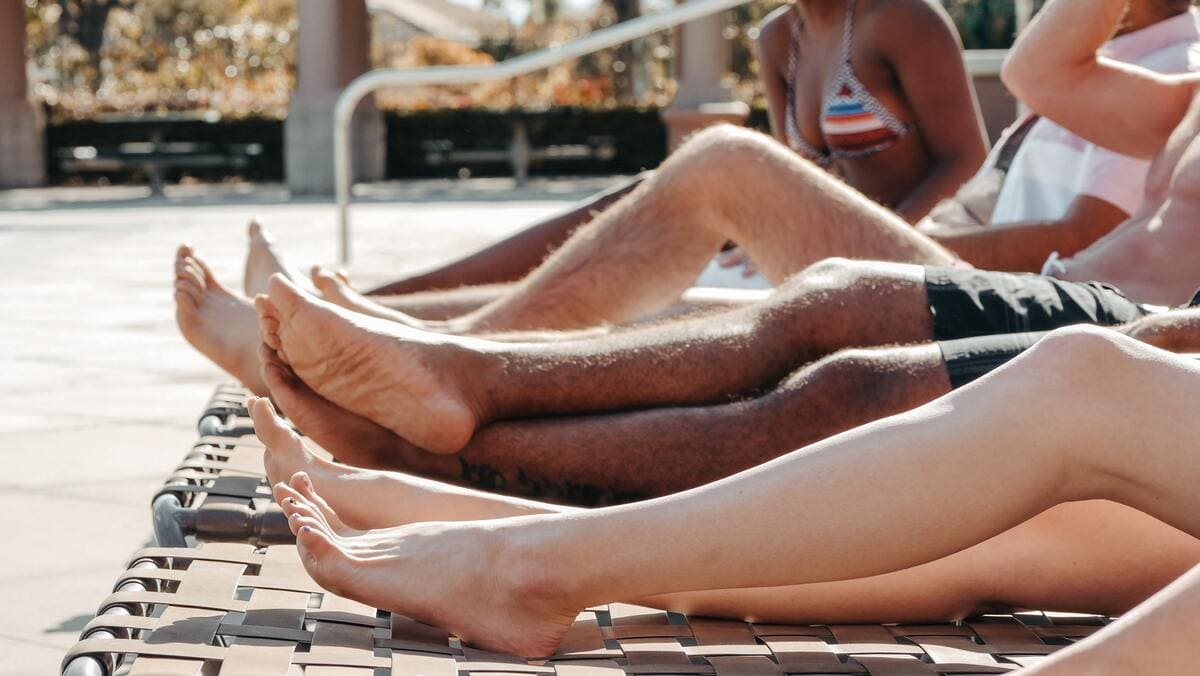
Summer should be a time for enjoyment and relaxation after an intense year full of worries and responsibilities. However, it is common that with the arrival of high temperatures and changes in habits, conditions such as leg swelling also appear. This is an uncomfortable sensation that can cause various inconveniences. That said, there are solutions accessible to everyone.
What causes legs to swell in summer?
There is no summer without heat. Some love the high temperatures, while others can’t wait to get into the water at the beach or pool to escape them until autumn arrives. Either way, there is no heat without leg swelling, because heat dilates the veins and causes their walls to lose elasticity, making it harder for blood to return from the legs to the heart. However, pain or discomfort in the legs does not have to be something inevitable that we must accept stoically.
What causes poor circulation?
The circulatory system is responsible for transporting oxygen and nutrients to all the organs and tissues of our body. Pathologies related to it can pose serious health problems, but poor blood flow can also cause discomfort such as leg swelling, varicose veins, or the sensation of tired legs. In most cases, healthy habits can reduce or even eliminate these unpleasant sensations and help improve quality of life, since an unhealthy diet, lack of physical exercise, and tobacco use are the main causes of poor circulation.
Tips to improve circulation in the legs
Having proper circulation in the legs is essential for a good quality of life, and there are various actions within our reach to improve it. Here are some tips:
- Exercise and avoid sitting for too long.
- Massage your legs and feet.
- Elevate your legs.
- Avoid extreme heat.
- Follow a diet that promotes circulation: avoid processed foods and those with high salt levels, and include fruits rich in vitamin C, omega-3 rich foods like oily fish, as well as garlic and onion, which contain allicin.
- Do exercises that promote circulation: ideal options include walking, lying down and doing air cycling, leg lifts, and ankle rotations.
Treatments for swollen legs
In addition to the tips already mentioned, there are different treatments to relieve leg swelling, among which compression therapy stands out. Another option is lymphatic massage, a technique aimed at stimulating the network of lymphatic vessels and nodes to promote proper elimination of toxins and bodily fluids, including fats, by removing interstitial fluid, the excess liquid. Compression stockings can also be used, preferably under the advice and supervision of a professional.
Compression Therapy against leg swelling
Body compression therapy is a therapeutic technique that goes beyond aesthetics, as it uses controlled air pressure to reactivate both the lymphatic and circulatory systems, providing a range of benefits for the human body. This innovative technique combines compression and relaxation and has proven to be considerably more effective than others in reducing leg swelling caused by summer heat, as well as promoting better and faster muscle recovery, and relieving various issues such as tired legs and cellulite.
Compression therapy works by applying pressure to different parts of the body, which helps stimulate blood and lymphatic flow. During the treatment, the patient wears the compression therapy suit (such as boots), which is connected to an air pump. The air pump sequentially inflates and deflates the air chambers of the suit, applying pressure to the treated areas. The pressure exerted by the suit helps improve blood and lymphatic circulation, which in turn can reduce cellulite, fluid retention, and swelling. A compression therapy session usually lasts between 30 and 45 minutes, and generally multiple sessions are needed to see significant results. If visiting a professional is not possible, a home compression therapy device is equally effective, although it has less power.
Share:
Does pressotherapy work for weight loss?
Why do my legs hurt in summer?