

The human body has mechanisms to eliminate toxins. But this does not always work properly. Fluid retention is often a symptom indicating that there is a problem you should address before it leads to something more worrying.
Fluid retention can occur in both men and women, as we all have a Lymphatic System with exactly the same functions, although women tend to experience it more due to more frequent hormonal fluctuations or during pregnancy. So… how to prevent fluid retention?

In any case, fluid retention and poor functioning of the Lymphatic System are two sides of the same coin. Both factors together can lead the body into a vicious cycle. Without further ado, we tell you everything you need to know about fluid retention, its main causes, its consequences and accompanying symptoms, and of course, how to combat it in the best possible way.
“Reducing stress and consuming foods harmful to your health are two measures you should adopt immediately if you are suffering from intoxication in your Lymphatic System. Pain, inflammation, or lymphedema are your body’s SOS signals. Don’t ignore them!”
3 REASONS WHY YOU SUFFER FROM SWELLING, PAIN, OR LYMPHEDEMA
- Toxins. Your Lymphatic System should be a highway where toxins and free radicals entering your body through air, water, and food pollution flow without blockages. A stagnation prevents the immune response from counteracting this intoxication and beware, this can trigger many health problems and even several types of cancer.
- Stress. A body subjected to intense and continuous stress increases cortisol levels. Result? Inflammation and increased insulin production by the pancreas. Insulin is necessary but in excess causes inflammation in cells, blood vessels, and lymphatics. This causes pain, swelling, and fluid retention.
- Nutrition. A diet as healthy and clean as possible is key. Clean means free of components that open the door to inflammation and fluid retention.
As you can see, none of these three factors should be underestimated. Reducing stress and the consumption of harmful foods are two measures you should adopt immediately if you are suffering from intoxication in your Lymphatic System. Pain, inflammation, or lymphedema are your body’s SOS signals. How to prevent fluid retention? Don’t ignore them!
SIGNS OF A BLOCKED LYMPHATIC SYSTEM
The Lymphatic System is connected to the circulatory and immune systems. The three keep your body in optimal condition, and their organs and glands, all interconnected, eliminate toxins from the body. Several of these organs and glands are vital gears for the Lymphatic System.
When it is unbalanced and altered, we begin to suffer various health problems. Symptoms indicate that something is failing, whether due to inappropriate diet, lack of physical exercise, or worse, a combination of both.
And fluid retention is often accompanied by many other problems, as it is one more sign of a blocked Lymphatic System:
- Arthritis. Even the slightest movement causes joint pain. You feel as if you are aging rapidly.
- Skin disorders. Your skin shows irregularities and dryness. Also your scalp, even producing dandruff (due to dryness, not fungal infection).
- Migraines. You have headaches even at the start of the day.
- Breast infections. Be especially careful with this particular warning!
- Overweight. Pounds and love handles that won’t go away no matter what. Fat and water are mainly the ingredients of that unwanted interstitial cocktail.
- Chronic fatigue. Tiredness all the time. The slightest effort like climbing stairs becomes torture. Even without significant overweight.
- Unexplained injuries. How did I get this bruise if I don’t remember? Pain in specific spots that you don’t know how or why you started feeling.
- Digestive disorders. Inflammation will also cause alterations in digestion and intestinal transit.
- Cloudy urine, dark yellow in color with a strong odor. Indicates toxicity. It should be clear.
- Irregular sweating in armpits or groin. It may even emit a suspiciously unpleasant odor. A clear sign of a contaminated system.
FLUID RETENTION, WHY CAN’T I LOSE WEIGHT?
We know how hard it is to lose weight. You’ve tried every diet imaginable, you’re drinking plenty of water, even going to the gym, but those pounds just won’t budge. Frustrating, right? You’ve even checked the scale a hundred times because it’s hard to understand why, despite all these measures, you still have excess weight. How to prevent fluid retention? Let’s break it down:
First, your body doesn’t lose weight uniformly, and since you continue eating and drinking to stay nourished, weight fluctuates. Be patient with this process. And keep in mind that much of that excess weight may be more retained fluid than fat.
Still, usually both accumulate, since lymph or lymphatic fluid also transports fats. When the Lymphatic System isn’t doing its job well, we end up suffering an accumulation of both fluid and fat—horror, cellulite!—between tissues. How to prevent fluid retention?
HOW TO CLEAN AND DETOXIFY YOUR LYMPHATIC SYSTEM
Often, fluid retention can be effectively combated with some changes in your diet and lifestyle:
- Don’t stop drinking water. Between 2-3 liters of water daily are recommended. If one day you slip up, try to drink at least 1.5 liters and no less. Without enough water, your body will retain it to ensure cells, tissues, and bones stay hydrated. The main cause of fluid retention—mostly water—is usually dehydration. A thirsty body retains all the water it can. And beware, this retained water becomes contaminated with toxins. (You can also drink some of this water with squeezed lemon)
- Reduce sodium (salt) intake. If you get used to eating without salt, even better. Pay close attention to the foods you buy. If they contain a high level of salt, they are not good, and many canned or packaged foods contain more salt for preservation.
- Balance sodium with potassium. The yin-yang. Sodium causes more cellular water, and potassium is there to regulate the excess. Eat bananas, sweet potatoes, watermelon, spinach, broccoli, pumpkin, or beetroot.

- Diet: Avoid processed foods including sauces and pizzas, wheat, dairy, fried foods, excess fats and oils, pastries—especially industrial ones—alcohol, conventionally raised meats—injected with antibiotics, water, preservatives, and enhancers—sugar or artificial sweeteners. Opt for homemade dishes, fruits low in sugar, green leafy vegetables, fish protein rich in Omega-3, chia or flax seeds, avocados, almonds, walnuts, and blueberries, tofu and soy milk, cook more with garlic… Consider vegetarian or vegan diets but inform yourself well on how to adopt them in a balanced way without deficiency of any essential nutrient.
- Herbal infusions: Echinacea, astragalus, wild indigo root, cilantro, parsley, or goldenseal are good allies to stimulate lymphatic flow.
- Tobacco: If you smoke, consider quitting. There is nothing good about smoking for your body. If you find it hard to quit, seek medical or pharmaceutical advice.
- Avoid stress. It is the biggest trigger of cortisol. While it helps break down accumulated fat, excess also breaks down proteins in your muscles and causes hormonal imbalance, especially in testosterone. You need it for your muscles and to lose weight! This imbalance also causes water retention, less muscle tone, more fat, and even a decline in sexual appetite.
- Avoid overly tight clothing. Very tight garments hinder blood and lymphatic circulation.
- Get enough sleep. Your body also becomes unbalanced from lack of the rest it needs to recover and regenerate. 7-8 hours is ideal. And if you have time during the day to rest at least 20-30 minutes, even better. If there’s no time for a nap, at least try to relax a bit and disconnect from the routine for a while.
- Deep breathing series. The Lymphatic System has no pumping organ. Spend a few minutes breathing deeply to stimulate it, whether during your exercise routine, during lymphatic drainage massage with Compression Therapy, or at any time of the day. It may seem silly, but it helps!
- Physical exercise. Between 3-5 hours a week of intense sport will be good. Although to start, some cardio as recommended for the bikini operation is best to reactivate your system. 1-2 hours per session and you’ll see how your body responds. You can start with one hour and extend the session as you notice your body adapting to the exercise. Start by walking fast, dancing, or even jumping rope! And if you spend many hours sitting or standing but moving little, take some steps and even do some stretches from time to time.
- Be careful with calorie reduction. Seeing that you don’t lose weight can lead you to reduce calories and increase physical exercise. WRONG. Even more important if what you want is to lose weight with Compression Therapy. This again leads to water retention. Your body will store whatever it can, even if it’s fluid.
- Hot/cold showers: Heat dilates blood vessels and cold contracts them. It produces a pumping effect that helps redirect toxins and fluids. End the process with hot water. Avoid during pregnancy or if you have cardiovascular disease.
- Dry brushing. Use a natural bristle brush to apply a massage with circular movements for 10 minutes on the areas most affected by fluid retention before showering. It stimulates circulation.
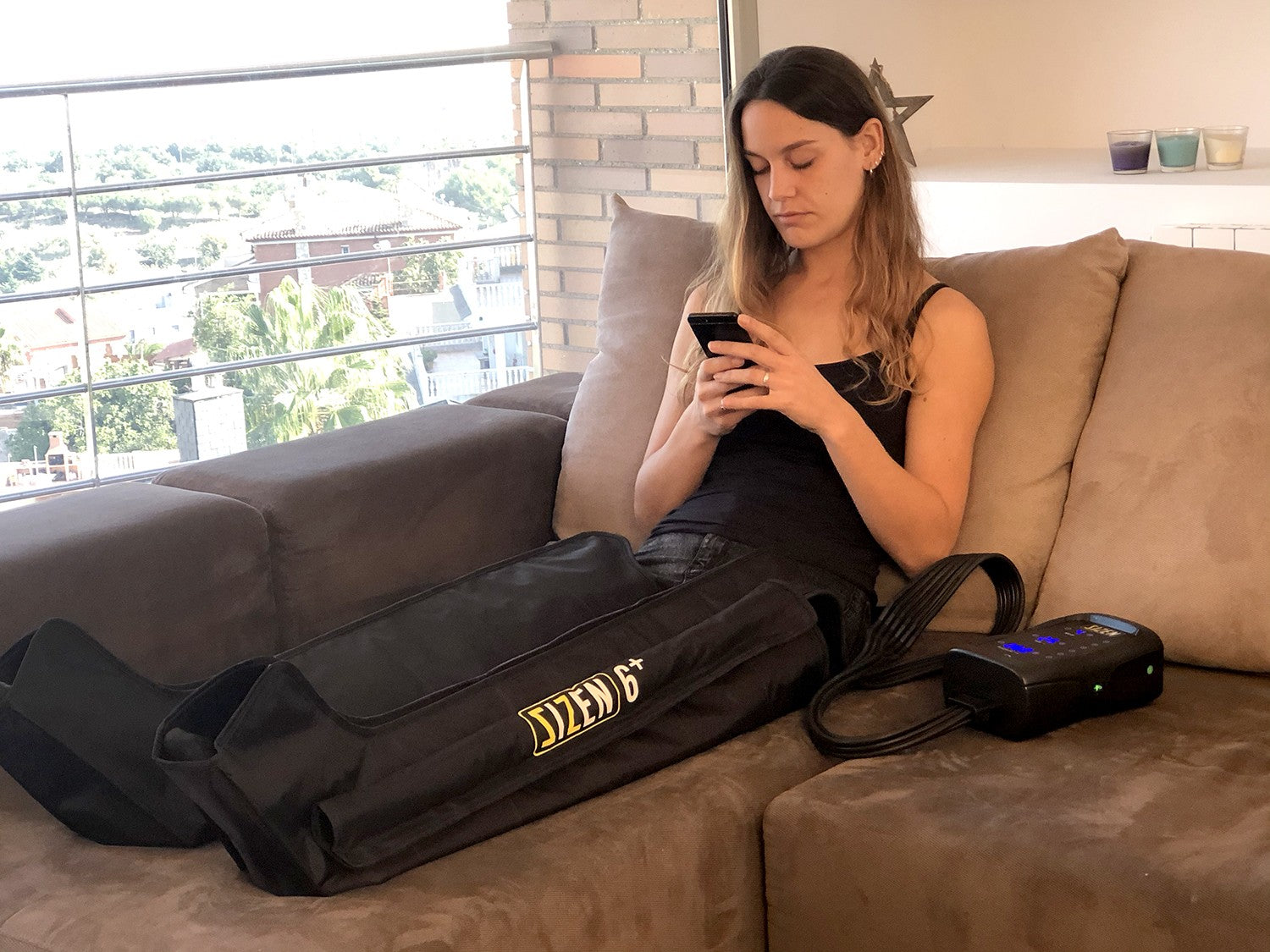
- Don’t give up! Relax and play some good music. Use lymphatic massage and don’t deprive your body of sleep. Compression Therapy SIZEN will help you a lot both with lymphatic drainage and making that moment YOUR MOMENT.
ATTENTION: Before starting your exercise routine and diet, consult a doctor. If it’s a nutritionist, even better, they can help you lose weight if you need it. How to prevent fluid retention? They will consider your overall physical condition, weight, sex, age, if you suffer from any illness, and how to take each measure proportionally.
From SIZEN we hope this information has helped you. Above all, it is important to remember that miracles do not exist. How to prevent fluid retention? If you have reached the point where fluid retention is causing you health problems, it is time to act and take the treatment seriously, but with good will, you will manage to get rid of fluid retention. Good luck!
Share:
Why Do My Feet Swell in Summer and How Can Pressotherapy Help Us?
How to relieve muscle pain in the legs