

If you train a lot or your day-to-day life is already non-stop, you probably know all too well what it’s like to get home with heavy legs, stiff muscles, or that fatigue that seems to have settled in for good. It’s a fact of life: when your body pushes itself to the limit, it responds with inflammation. That’s where cryotherapy comes in, a long-standing sports recovery method powered by today’s technology and focused on muscle recovery.
Forget the usual idea that this is some kind of punishment for elite athletes. These days, using controlled cold to boost your muscle recovery through cryotherapy is one of the best tools at your disposal for looking after your body with ease.
Key points:
The physiological mechanism: How the circulatory and nervous systems respond to cold (vasoconstriction, analgesic effect, and reactive vasodilation).
Direct benefits: The impact on relieving heaviness and muscle stiffness, and speeding up recovery.
Application methods: Differences between localized cryotherapy (thermal sleeves) and traditional ice baths.
Protocols and synergies: When to apply cold and how to combine it with other techniques such as compression therapy.
How does cold affect your muscles after exercise?
When you push your muscles to the limit during a workout, the fibers sustain tiny microtears and the body activates its natural inflammatory response. This is exactly where cold comes into play at a physiological level, through three distinct phases:
Vasoconstriction (slowing the impact): As soon as the cold touches your skin, your blood vessels contract sharply. What does this do? It temporarily slows the influx of blood and inflammatory substances to the affected area, keeping swelling under control before it gets worse.
Natural analgesic effect (pain relief): Low temperatures gently numb the nerve endings. This makes pain signals travel much more slowly to the brain, giving you almost instant relief.
Reactive vasodilation (the "rebound effect"): This is the magic part. When you remove the cold and your body gradually returns to its normal temperature, your blood vessels open wide. The result? A rush of fresh blood, packed with oxygen and nutrients, that helps your tissues start repairing.
Key benefits of cryotherapy for muscle recovery
Adding cryotherapy to your recovery routine isn’t just for professional athletes; it offers very tangible benefits in your everyday life:
Goodbye, heavy legs: You know that feeling of getting home with legs that feel twice as heavy? The cold works a kind of "magic," bringing immediate relief and leaving you feeling brand new so you can truly relax.
No stiffness, more freedom of movement: Gone are the days of waking up feeling completely "rusty" or sore in every muscle fiber. It helps release built-up tension so you can move freely from your very first step.
Ways to apply cryotherapy to help your muscles recover
Not all options serve the same purpose or feel equally appealing. Depending on what you're looking for, there are two main approaches:
Localized cryotherapy (thermal sleeves and tights): These are a super convenient option for home use. They let you apply cold exactly where you need it (your legs, arms, or a specific joint) in a clean, dry way, without turning your living room into a whole production.
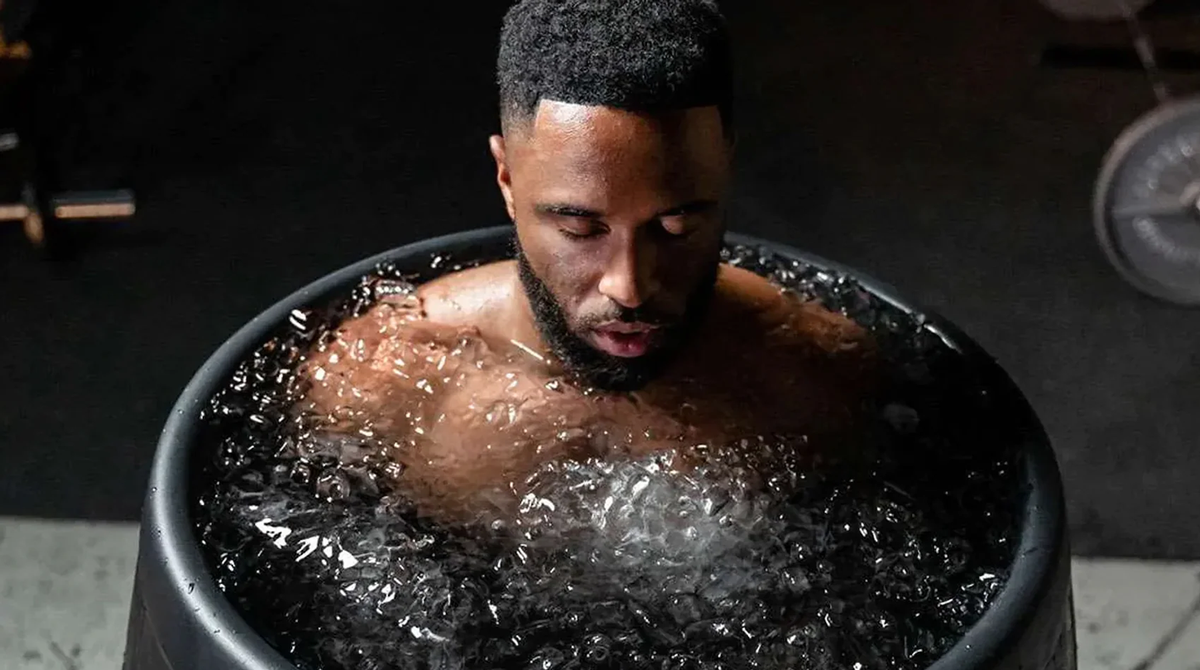
Whole-body cryotherapy (ice baths): This means full-body immersion. It's a much more comprehensive, metabolic approach, intended especially for those who've just competed at the highest level and need to reset their whole body all at once.
Optimal protocol for maximizing muscle recovery
To make cold work in your favor and avoid feeling like it's "doing nothing," it's worth following a couple of sensible guidelines:
Perfect timing: Ideally, use cold during the first 24 or 48 hours after a brutal workout or when you notice an overload. That's exactly when inflammation peaks, and cold is most effective at reducing its impact.
Combine therapies for added benefits: A hugely popular combination is alternating cryotherapy with compression or massage techniques (such as a pressotherapy session or using a massage gun). While the cold helps reduce inflammation and soothe pain, circulation-boosting drainage helps move retained fluids and relax the muscle from within.
Frequently asked questions (FAQ)
Can you use cryotherapy safely at home?
Yes, absolutely. As long as you use devices designed for home use and follow the recommended time guidelines, you won't have any skin problems or unnecessary scares.
Is cold or heat better for recovery?
It completely depends on the point in the movie. Cold (or cryocompression) is for putting out fires: acute inflammation and pain right after training. Heat, on the other hand, is usually used to relax muscle knots that have been there for days or to warm up your body before you start moving.
Share:
How to Speed Up Muscle Recovery