

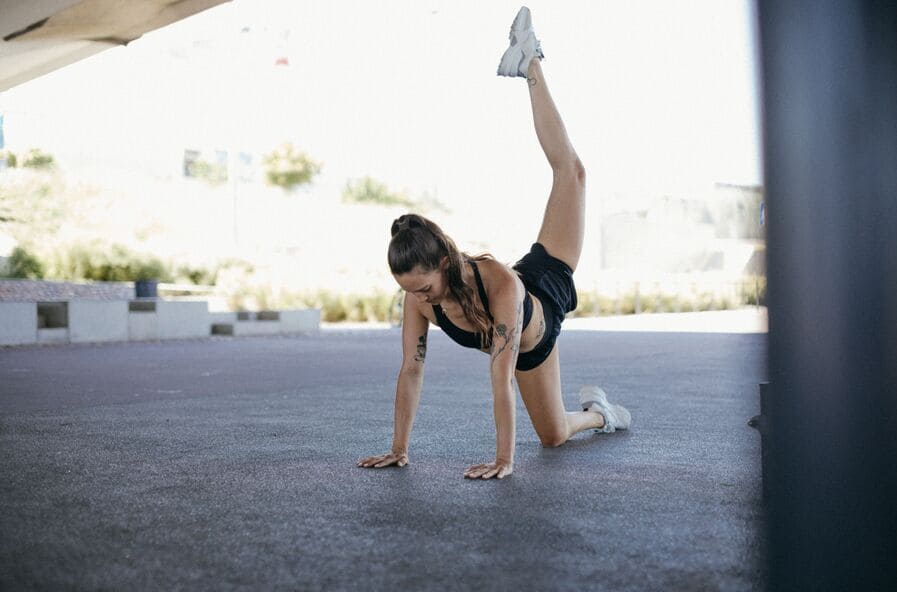
The sports event calendar doesn’t stop when summer arrives. For athletes competing in live outdoor events, the hot months represent an extreme physiological challenge. Surviving the finish line isn’t enough; true success lies in how quickly and efficiently the body can regenerate for the next race number. In this article, we analyze the most effective muscle recovery methods in summer to maintain peak performance during the competitive season.
The importance of muscle recovery in the summer sports event calendar
Competing live during the summer subjects the body to double wear: the biomechanical strain of the sport and the metabolic strain from ambient temperature.
The impact of thermal stress and heat on athlete performance
Thermal stress forces the heart to pump more blood to the skin to dissipate heat, reducing blood flow to active muscles. During a summer tournament or marathon, this forced thermoregulation accelerates glycogen depletion and increases lactic acid buildup, drastically prolonging the time needed for post-race tissue regeneration.
Risks of muscle degradation and loss during the summer season
Between traveling to different competitions and vacations, many athletes experience a drop in their structured calorie intake and strength training. This scenario, combined with the high calorie expenditure of outdoor endurance events, creates a catabolic environment where the body begins breaking down muscle tissue for energy, affecting power and speed in the next competition.
The 10 key methods for rapid recovery after training in the heat
Whether you’ve just crossed the finish line or completed an acclimatization session, these ten steps are non-negotiable.
1. Immediate isotonic hydration with essential electrolytes
Drinking only water after a summer competition dilutes blood sodium levels (hyponatremia).
The golden rule: Replenishing sodium, potassium, and magnesium
As stated in the Consensus on drinks for athletes by the Higher Sports Council (CSD), coordinated by Dr. Nieves Palacios, replenishment after exertion in hot environments should prioritize restoring internal homeostasis through water and ions. Visit post-event refreshment stations and consume isotonic drinks; sodium is vital for muscle cells to retain water and immediately stop water stress.
2. External thermoregulation: How to cool the body after exertion
Lowering the body's core temperature stops cellular damage caused by extreme heat. Immediately cool the nape, wrists, and groin with cold water or ice towels provided by event organizers.
Why you should avoid hot showers immediately after competing
Hot water perpetuates extreme vasodilation. Dr. Ángel Ruiz Cotorro, medical director of the Spanish Tennis Federation and expert in recovering elite athletes under extreme temperatures, states that post-effort thermal management is crucial: a controlled thermal transition (using damp towels or lukewarm to cool showers) helps redirect blood flow from the skin to the damaged muscles, accelerating toxin elimination without causing collapse from thermal shock.
3. Post-event nutrition: Maximizing the 30-minute metabolic window
The first 30 to 45 minutes after handing in your timing chip are critical. The body is hyper-receptive to nutrients.
The perfect combination of quality carbohydrates and proteins
The 3:1 or 4:1 ratio of carbohydrates to proteins has a purely cellular basis. The renowned Spanish physiologist Dr. Íñigo San Millán has demonstrated in his research on glycogen metabolism that cellular energy resynthesis and myofibrillar damage repair are drastically optimized when this combined stimulus is provided immediately after exhaustion, sharply halting the catabolic state worsened by heat.
4. Optimization of venous return by elevating the legs
Gravity is your ally. Lie down in the shade near the finish area and elevate your legs above heart level for 10-15 minutes. This promotes venous return, reducing swelling and the feeling of heavy legs.
5. Thermal hygiene: Immediate change to dry technical clothing
Staying in sweat-soaked gear interferes with the body’s ability to cool down properly and increases the risk of sudden chills that cause muscle stiffness. Change into dry, loose clothing in the competitors’ tent as soon as possible.
6. Heart rate monitoring and active listening to your pulse
A resting pulse that remains elevated hours after competition is a clear indicator that the body is still fighting dehydration and heat stress. Use your sports smartwatch to ensure your heart rate returns to its resting state.
7. Podological care for runners on high-temperature surfaces
Asphalt or tracks in summer can radiate temperatures above 50°C. After the race, take off your shoes, check for blisters or unusual chafing caused by sweat, and let your feet breathe to avoid plantar fasciitis and skin problems.
8. Local cryotherapy: Joint care with cold-effect gels
The use of cold-effect sports gels (based on menthol or arnica) applied with a gentle massage on quadriceps, calves, and knees provides pain relief and reduces post-competition joint inflammation.
9. Restorative sleep as the pillar of invisible training
No supplement beats rest. Growth hormone, the main muscle tissue repairer, peaks during deep sleep phases. Ensure a cool (18-20°C) and dark room after a day of sporting events.
10. Strategic planning of sessions before the next sporting event
After competing, the next session should not be intense. Schedule active recovery workouts (light cycling, swimming) and adjust your volume to avoid overloading the central nervous system.
Strategies to maintain muscle mass between competitions and summer trips
The competition calendar usually involves constant travel. How to avoid losing strength?
Minimum strength training volume vs. Deload week
You don’t need to isolate yourself in the gym. To maintain muscle mass, two full-body low-intensity sessions per week are enough. During travel, use the weeks after major tournaments as "deload weeks," reducing volume but maintaining stimulus intensity.
Nutrition and supplementation to protect muscle against vacation catabolism
Keep your protein intake high (1.6g to 2g per kilogram of body weight) and rely on supplements like creatine and essential amino acids (EAA) if travel logistics for attending sports events make it difficult to maintain an optimal diet.
Preparation for live sports events: How to arrive 100% ready at the starting line
Recovery starts before the starting gun.
Progressive acclimation protocol weeks before a tournament or race
If your sports event takes place in a warm climate, your body needs 10 to 14 days to acclimate. Perform progressive sessions during the hottest hours (with extreme caution) to adapt your sweat rate and sweat composition.
Immediate post-race recovery logistics at large summer events
Study the event map in advance: locate shaded areas, medical tents, and final refreshment points. Always carry a microfiber towel, dry clothes, and your own recovery supplements in your runner’s backpack in case the organizers run out of stock.
The balance between competitive performance, rest, and summer heat
Facing the summer sports event calendar requires a proactive approach. Applying standardized muscle recovery methods—from immediate cooling at the finish line to strategic nutrient replenishment and training volume control—is what separates athletes who survive the summer from those who break their personal records. Listen to your body, get ahead of the heat, and master your recovery.
Share:
Swollen Ankles? Common Causes and Effective Solutions to Reduce Inflammation
Why Do My Feet Swell in Summer and How Can Pressotherapy Help Us?